A Practical Checklist for Reviewing AI Virtual Swimwear Try-On Visuals When a team evaluates an AI virtual swimwear or outfit visualization tool such as AI Bikini Generator, the most useful first step is to separate the styling preview from the production asset. According to the product page, the tool is presented as a browser based virtual try on and fashion visualization assistant that drafts garment concepts on reference figures for moodboarding, campaign exploration, and product visual review.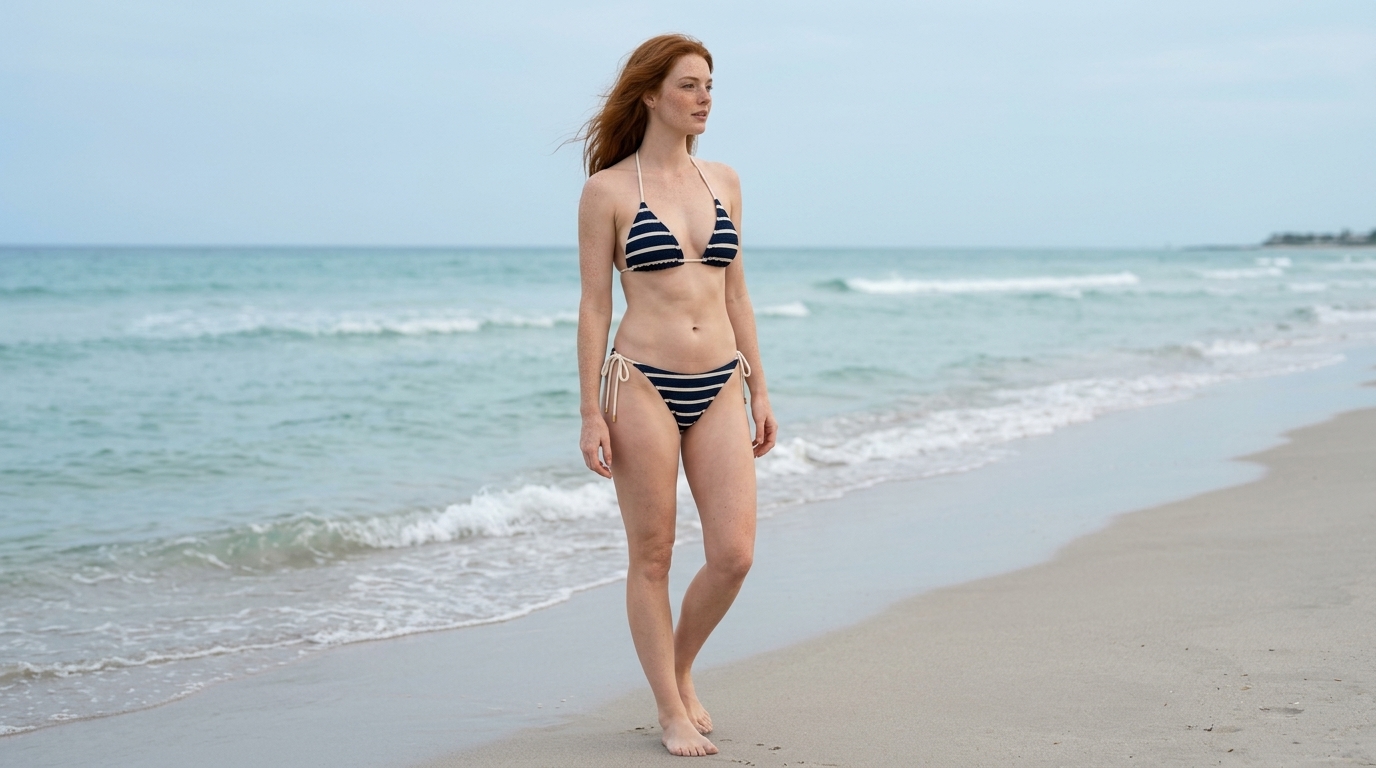 Figure 1. A neutral fashion visualization preview from the product site, shown for reference only. The tool describes consent gated, non explicit outputs, so reviewers should judge it as a styling aid rather than explicit content.
Define the review question before opening the tool
Start by writing one sentence that says what the visual must communicate. A clear review question keeps the session from drifting into endless variations. For a swimwear line the question might be whether the drafted pose and fabric drape read as the intended silhouette on the chosen model frame. The product page describes the output as a concept direction, not a finished photograph, so the acceptance bar should be internal review, not publication.
Collect a small set of reference frames
Gather two or three source images with consistent lighting and a neutral background. Fewer, cleaner references produce more comparable drafts than a large noisy folder. Keep the original garments in the same color family so the comparison isolates pose and fit rather than color noise. This step is cheap and it prevents the common failure of blaming the tool for a weak input.
Run the draft and capture the variables
Generate the first concept and record the inputs you used: source frame, garment type, pose hint, and any style keywords. Treat each run as an experiment with one changed variable. When the result looks promising, save the exact input set so the draft can be reproduced later. Reproducibility matters because stakeholders will ask which settings produced the approved direction.
Score the output on a short rubric
Use a fixed rubric with four lines: silhouette clarity, fabric believability, brand fit, and rights safety. Give each line a short note rather than a number so the reasoning stays visible. The product page positions the tool for fashion visualization, so the rubric should weight composition and brand fit above novelty. A draft that scores well on novelty but poorly on brand fit is not ready for the campaign board.
Check continuity and edge cases
Look at hands, hems, and straps where generators often smear detail. A strong concept can still fail at the edges, and those edges are exactly what a reviewer catches before a stakeholder does. If the same defect appears across runs, note it as a known limitation and decide whether the workflow needs a manual cleanup step after the draft.
Keep a human approval gate
Store the accepted draft with its input set and rubric notes in one place. The next reviewer should be able to see why a direction was chosen without replaying the session. According to the product page, the tool is a drafting aid, so the final approval still sits with the human owner. That gate is what turns a generated concept into a reviewable asset.
Document the limitation honestly
Write one line about what the tool does not do, such as exact fabric physics or licensed product fidelity. Honest limits help the team decide when to move from the visualization to a real shoot. The product page describes non explicit, consent gated outputs, which keeps the review focused on styling rather than sensitive content.
When to use this checklist
Use it whenever a draft will be shown to another person, even internally. The moment a visual leaves your screen, the review question and rubric become the shared language. A tool like AI Bikini Generator is most useful when the team already knows the silhouette it wants and only needs a fast direction to discuss.
Figure 1. A neutral fashion visualization preview from the product site, shown for reference only. The tool describes consent gated, non explicit outputs, so reviewers should judge it as a styling aid rather than explicit content.
Define the review question before opening the tool
Start by writing one sentence that says what the visual must communicate. A clear review question keeps the session from drifting into endless variations. For a swimwear line the question might be whether the drafted pose and fabric drape read as the intended silhouette on the chosen model frame. The product page describes the output as a concept direction, not a finished photograph, so the acceptance bar should be internal review, not publication.
Collect a small set of reference frames
Gather two or three source images with consistent lighting and a neutral background. Fewer, cleaner references produce more comparable drafts than a large noisy folder. Keep the original garments in the same color family so the comparison isolates pose and fit rather than color noise. This step is cheap and it prevents the common failure of blaming the tool for a weak input.
Run the draft and capture the variables
Generate the first concept and record the inputs you used: source frame, garment type, pose hint, and any style keywords. Treat each run as an experiment with one changed variable. When the result looks promising, save the exact input set so the draft can be reproduced later. Reproducibility matters because stakeholders will ask which settings produced the approved direction.
Score the output on a short rubric
Use a fixed rubric with four lines: silhouette clarity, fabric believability, brand fit, and rights safety. Give each line a short note rather than a number so the reasoning stays visible. The product page positions the tool for fashion visualization, so the rubric should weight composition and brand fit above novelty. A draft that scores well on novelty but poorly on brand fit is not ready for the campaign board.
Check continuity and edge cases
Look at hands, hems, and straps where generators often smear detail. A strong concept can still fail at the edges, and those edges are exactly what a reviewer catches before a stakeholder does. If the same defect appears across runs, note it as a known limitation and decide whether the workflow needs a manual cleanup step after the draft.
Keep a human approval gate
Store the accepted draft with its input set and rubric notes in one place. The next reviewer should be able to see why a direction was chosen without replaying the session. According to the product page, the tool is a drafting aid, so the final approval still sits with the human owner. That gate is what turns a generated concept into a reviewable asset.
Document the limitation honestly
Write one line about what the tool does not do, such as exact fabric physics or licensed product fidelity. Honest limits help the team decide when to move from the visualization to a real shoot. The product page describes non explicit, consent gated outputs, which keeps the review focused on styling rather than sensitive content.
When to use this checklist
Use it whenever a draft will be shown to another person, even internally. The moment a visual leaves your screen, the review question and rubric become the shared language. A tool like AI Bikini Generator is most useful when the team already knows the silhouette it wants and only needs a fast direction to discuss.
A Practical Checklist for Reviewing AI Virtual Swimwear Try-On Visuals When a team evaluates an AI virtual swimwear or outfit visualization tool such as AI Bikini Generator, the most useful first step is to separate the styling preview from the production asset. According to the product page, the tool is presented as a browser based virtual try on and fashion visualization assistant that drafts garment concepts on reference figures for moodboarding, campaign exploration, and product visual review.Figure 1. A neutral fashion visualization preview from the product site, shown for reference only. The tool describes consent gated, non explicit outputs, so reviewers should judge it as a styling aid rather than explicit content.
Define the review question before opening the tool
Start by writing one sentence that says what the visual must communicate. A clear review question keeps the session from drifting into endless variations. For a swimwear line the question might be whether the drafted pose and fabric drape read as the intended silhouette on the chosen model frame. The product page describes the output as a concept direction, not a finished photograph, so the acceptance bar should be internal review, not publication.
Collect a small set of reference frames
Gather two or three source images with consistent lighting and a neutral background. Fewer, cleaner references produce more comparable drafts than a large noisy folder. Keep the original garments in the same color family so the comparison isolates pose and fit rather than color noise. This step is cheap and it prevents the common failure of blaming the tool for a weak input.
Run the draft and capture the variables
Generate the first concept and record the inputs you used: source frame, garment type, pose hint, and any style keywords. Treat each run as an experiment with one changed variable. When the result looks promising, save the exact input set so the draft can be reproduced later. Reproducibility matters because stakeholders will ask which settings produced the approved direction.
Score the output on a short rubric
Use a fixed rubric with four lines: silhouette clarity, fabric believability, brand fit, and rights safety. Give each line a short note rather than a number so the reasoning stays visible. The product page positions the tool for fashion visualization, so the rubric should weight composition and brand fit above novelty. A draft that scores well on novelty but poorly on brand fit is not ready for the campaign board.
Check continuity and edge cases
Look at hands, hems, and straps where generators often smear detail. A strong concept can still fail at the edges, and those edges are exactly what a reviewer catches before a stakeholder does. If the same defect appears across runs, note it as a known limitation and decide whether the workflow needs a manual cleanup step after the draft.
Keep a human approval gate
Store the accepted draft with its input set and rubric notes in one place. The next reviewer should be able to see why a direction was chosen without replaying the session. According to the product page, the tool is a drafting aid, so the final approval still sits with the human owner. That gate is what turns a generated concept into a reviewable asset.
Document the limitation honestly
Write one line about what the tool does not do, such as exact fabric physics or licensed product fidelity. Honest limits help the team decide when to move from the visualization to a real shoot. The product page describes non explicit, consent gated outputs, which keeps the review focused on styling rather than sensitive content.
When to use this checklist
Use it whenever a draft will be shown to another person, even internally. The moment a visual leaves your screen, the review question and rubric become the shared language. A tool like AI Bikini Generator is most useful when the team already knows the silhouette it wants and only needs a fast direction to discuss.