A Practical Checklist for Reviewing AI Virtual Swimwear Try-On Visuals When a team evaluates an AI virtual swimwear or outfit visualization tool such as AI Bikini Generator, the most useful first step is to separate the styling preview from the production asset. According to the product page, the tool is presented as a browser based virtual try on and fashion visualization assistant that drafts garment concepts on reference figures for moodboarding, campaign exploration, and product visual review.
A Practical Checklist for Reviewing AI Virtual Swimwear Try-On Visuals When a team evaluates an AI virtual swimwear or outfit visualization tool such as AI Bikini Generator, the most useful first step is to separate the styling preview from the production asset. According to the product page, the tool is presented as a browser based virtual try on and fashion visualization assistant that drafts garment concepts on reference figures for moodboarding, campaign exploration, and product visual review. How MiniMax H3 Max Quietly Replaced Half My AI ToolkitMost of us don't have a tool problem. We have a tool-fragmentation problem. Last quarter I was juggling four different AI apps just to get through a normal workday, one for drafting, one for rewriting, one for summarizing, and a fourth I kept open just in case. The cost was not money. It was the mental overhead of constantly switching contexts. Every jump between tabs meant re-explaining what I was working on.
A colleague pointed me to MiniMax H3 Max, and I will be honest, I expected another overpromised all-in-one that does everything badly. Instead I found something more useful, a single workspace where I could draft, refine, and summarize without leaving the page. You can see the full feature list on the official site at minimax-h3max.com.
What changed first was my drafting habit. I used to open a notes app, write a messy outline, then paste it into a chat tool, then paste the result back. With MiniMax H3 Max I stayed in one place. The outline, the draft, and the polished version lived in the same thread. That sounds minor until you realize how much time copy, switch, paste, switch back eats across a week.
The rewriting quality was the pleasant surprise. I feed it dense paragraphs from vendor emails and it returns something a normal person can read. I am not claiming it is perfect, for technical subjects I still review everything line by line. But for everyday internal communication it removed a real chunk of friction. According to the product page, the system is built to handle a range of general tasks, and in my testing that held up.
Summarization is where it earned a permanent spot. I drop in a long document and ask for a structured summary with bullets. The output is consistent enough that I stopped re-reading the originals just to double-check. For someone who reads dozens of documents a day, that alone justified the switch.
I want to be careful about claims. I will not invent benchmark numbers or promise it replaces domain expertise, it does not. What I can say, from daily use, is that it reduced the number of apps I touch in a day from four to one for most writing work. If you want the specifics, the capabilities are laid out at the MiniMax H3 Max site.
My advice if you try it is to start with one repetitive task. Pick the thing you do most, email drafts, meeting notes, product descriptions, and run it through the workspace for a week. Compare the output to your current default. Don't try to migrate your whole stack on day one, that is how these experiments fail.
A month in, the headline for me is not any single feature. It is the absence of tab-switching. Less context lost between tools means less rework, and less rework means I finish the actual task sooner. For a daily driver, that quiet consistency matters more than a flashy demo.
If you have been collecting AI tools the way I was, it is worth consolidating. Open https://minimax-h3max.com and start with one task today. The goal is not to use more software. It is to need less of it. How MiniMax H3 Max Quietly Replaced Half My AI ToolkitMost of us don't have a tool problem. We have a tool-fragmentation problem. Last quarter I was juggling four different AI apps just to get through a normal workday, one for drafting, one for rewriting, one for summarizing, and a fourth I kept open just in case. The cost was not money. It was the mental overhead of constantly switching contexts. Every jump between tabs meant re-explaining what I was working on.
A colleague pointed me to MiniMax H3 Max, and I will be honest, I expected another overpromised all-in-one that does everything badly. Instead I found something more useful, a single workspace where I could draft, refine, and summarize without leaving the page. You can see the full feature list on the official site at minimax-h3max.com.
What changed first was my drafting habit. I used to open a notes app, write a messy outline, then paste it into a chat tool, then paste the result back. With MiniMax H3 Max I stayed in one place. The outline, the draft, and the polished version lived in the same thread. That sounds minor until you realize how much time copy, switch, paste, switch back eats across a week.
The rewriting quality was the pleasant surprise. I feed it dense paragraphs from vendor emails and it returns something a normal person can read. I am not claiming it is perfect, for technical subjects I still review everything line by line. But for everyday internal communication it removed a real chunk of friction. According to the product page, the system is built to handle a range of general tasks, and in my testing that held up.
Summarization is where it earned a permanent spot. I drop in a long document and ask for a structured summary with bullets. The output is consistent enough that I stopped re-reading the originals just to double-check. For someone who reads dozens of documents a day, that alone justified the switch.
I want to be careful about claims. I will not invent benchmark numbers or promise it replaces domain expertise, it does not. What I can say, from daily use, is that it reduced the number of apps I touch in a day from four to one for most writing work. If you want the specifics, the capabilities are laid out at the MiniMax H3 Max site.
My advice if you try it is to start with one repetitive task. Pick the thing you do most, email drafts, meeting notes, product descriptions, and run it through the workspace for a week. Compare the output to your current default. Don't try to migrate your whole stack on day one, that is how these experiments fail.
A month in, the headline for me is not any single feature. It is the absence of tab-switching. Less context lost between tools means less rework, and less rework means I finish the actual task sooner. For a daily driver, that quiet consistency matters more than a flashy demo.
If you have been collecting AI tools the way I was, it is worth consolidating. Open https://minimax-h3max.com and start with one task today. The goal is not to use more software. It is to need less of it. How MiniMax H3 Max Quietly Replaced Half My AI ToolkitMost of us don't have a tool problem. We have a tool-fragmentation problem. Last quarter I was juggling four different AI apps just to get through a normal workday, one for drafting, one for rewriting, one for summarizing, and a fourth I kept open just in case. The cost was not money. It was the mental overhead of constantly switching contexts. Every jump between tabs meant re-explaining what I was working on.
A colleague pointed me to MiniMax H3 Max, and I will be honest, I expected another overpromised all-in-one that does everything badly. Instead I found something more useful, a single workspace where I could draft, refine, and summarize without leaving the page. You can see the full feature list on the official site at minimax-h3max.com.
What changed first was my drafting habit. I used to open a notes app, write a messy outline, then paste it into a chat tool, then paste the result back. With MiniMax H3 Max I stayed in one place. The outline, the draft, and the polished version lived in the same thread. That sounds minor until you realize how much time copy, switch, paste, switch back eats across a week.
The rewriting quality was the pleasant surprise. I feed it dense paragraphs from vendor emails and it returns something a normal person can read. I am not claiming it is perfect, for technical subjects I still review everything line by line. But for everyday internal communication it removed a real chunk of friction. According to the product page, the system is built to handle a range of general tasks, and in my testing that held up.
Summarization is where it earned a permanent spot. I drop in a long document and ask for a structured summary with bullets. The output is consistent enough that I stopped re-reading the originals just to double-check. For someone who reads dozens of documents a day, that alone justified the switch.
I want to be careful about claims. I will not invent benchmark numbers or promise it replaces domain expertise, it does not. What I can say, from daily use, is that it reduced the number of apps I touch in a day from four to one for most writing work. If you want the specifics, the capabilities are laid out at the MiniMax H3 Max site.
My advice if you try it is to start with one repetitive task. Pick the thing you do most, email drafts, meeting notes, product descriptions, and run it through the workspace for a week. Compare the output to your current default. Don't try to migrate your whole stack on day one, that is how these experiments fail.
A month in, the headline for me is not any single feature. It is the absence of tab-switching. Less context lost between tools means less rework, and less rework means I finish the actual task sooner. For a daily driver, that quiet consistency matters more than a flashy demo.
If you have been collecting AI tools the way I was, it is worth consolidating. Open https://minimax-h3max.com and start with one task today. The goal is not to use more software. It is to need less of it. How MiniMax H3 Max Quietly Replaced Half My AI ToolkitMost of us don't have a tool problem. We have a tool-fragmentation problem. Last quarter I was juggling four different AI apps just to get through a normal workday, one for drafting, one for rewriting, one for summarizing, and a fourth I kept open just in case. The cost was not money. It was the mental overhead of constantly switching contexts. Every jump between tabs meant re-explaining what I was working on.
A colleague pointed me to MiniMax H3 Max, and I will be honest, I expected another overpromised all-in-one that does everything badly. Instead I found something more useful, a single workspace where I could draft, refine, and summarize without leaving the page. You can see the full feature list on the official site at minimax-h3max.com.
What changed first was my drafting habit. I used to open a notes app, write a messy outline, then paste it into a chat tool, then paste the result back. With MiniMax H3 Max I stayed in one place. The outline, the draft, and the polished version lived in the same thread. That sounds minor until you realize how much time copy, switch, paste, switch back eats across a week.
The rewriting quality was the pleasant surprise. I feed it dense paragraphs from vendor emails and it returns something a normal person can read. I am not claiming it is perfect, for technical subjects I still review everything line by line. But for everyday internal communication it removed a real chunk of friction. According to the product page, the system is built to handle a range of general tasks, and in my testing that held up.
Summarization is where it earned a permanent spot. I drop in a long document and ask for a structured summary with bullets. The output is consistent enough that I stopped re-reading the originals just to double-check. For someone who reads dozens of documents a day, that alone justified the switch.
I want to be careful about claims. I will not invent benchmark numbers or promise it replaces domain expertise, it does not. What I can say, from daily use, is that it reduced the number of apps I touch in a day from four to one for most writing work. If you want the specifics, the capabilities are laid out at the MiniMax H3 Max site.
My advice if you try it is to start with one repetitive task. Pick the thing you do most, email drafts, meeting notes, product descriptions, and run it through the workspace for a week. Compare the output to your current default. Don't try to migrate your whole stack on day one, that is how these experiments fail.
A month in, the headline for me is not any single feature. It is the absence of tab-switching. Less context lost between tools means less rework, and less rework means I finish the actual task sooner. For a daily driver, that quiet consistency matters more than a flashy demo.
If you have been collecting AI tools the way I was, it is worth consolidating. Open https://minimax-h3max.com and start with one task today. The goal is not to use more software. It is to need less of it. A Reviewable Spec for AI Video Drafts That Need Length and Audio ControlWhy length and audio make AI video
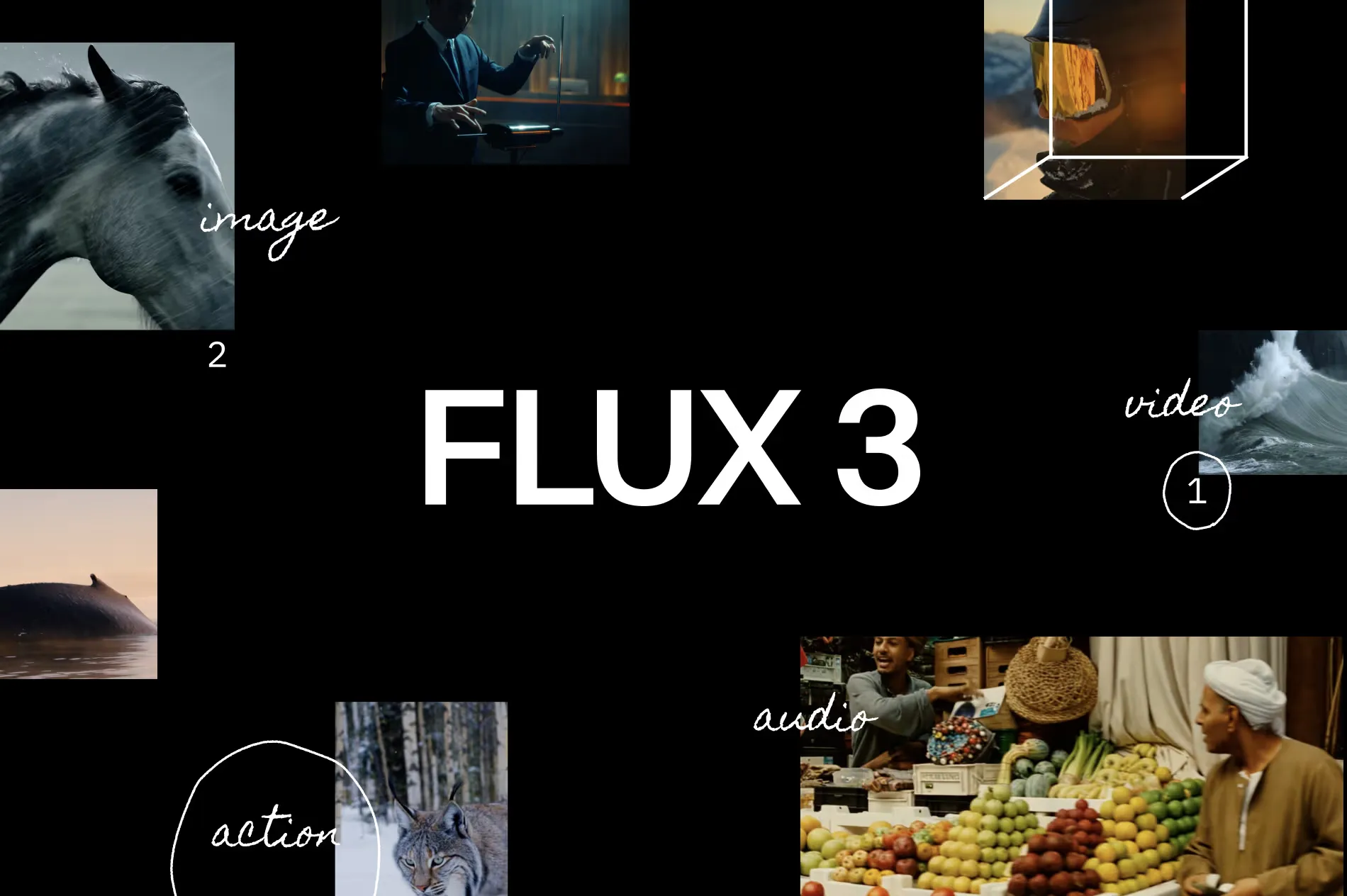
Uploading...drafts hard to reviewWhen a team starts producing AI video, the first drafts usually look promising in isolation. The trouble begins once the draft needs to be longer, or once it must carry audio that matches the visuals. Reviewers stop judging a clip on whether it looks good, and start judging whether it can be extended, timed, and corrected without a full regeneration. That shift is where most ad-hoc review processes break down, because the review artifact no longer matches the iterative shape of the work.The core tension is that video generation is iterative by nature, but review artifacts are usually shared as final renders. A reviewer who only sees the final clip cannot tell which segments are stable, which are placeholders, and which will drift if the prompt is re-run. Without an explicit spec, every review round becomes a guessing game, and the team loses the ability to reason about which changes are safe to keep.What a review contract should captureFor drafts that will be lengthened or paired with audio, the review artifact needs to carry enough structure that a reviewer can reason about stability, not just aesthetics. At minimum, the contract should declare the segment boundaries, the prompt lineage, and the audio intent. The product page describes Flux 3 Video as a generator that turns text prompts, images, and creative references into AI video clips with native audio-ready workflows, which makes it a reasonable component for producing the segment drafts that feed this contract — but the contract itself is generator-agnostic and should survive a tool swap.segments:
- id: seg-01
prompt_lineage: v3 / image-ref / audio-pending
length_target: 4s
status: stable
audio_intent: ambient-bed
- id: seg-02
prompt_lineage: v3 / text-only
length_target: 4s
status: drift-risk
audio_intent: dialogue-sync
review_policy:
regenerate_on: drift-risk
keep_on: stable
audio_gate: required-before-mergeA checklist that survives a regeneration cycleSegment IDs are stable across regenerations. A new render of seg-01 is still seg-01, so reviewers can diff against the prior version rather than re-reviewing from scratch.Audio intent is declared per segment. A clip marked ambient-bed is reviewed for continuity; one marked dialogue-sync is reviewed for lip and beat match. Mixing the two without a declaration forces a reviewer to guess, which is exactly what the contract exists to prevent.Drift-risk segments are flagged, not hidden. Reviewers can prioritize the segments that will break first under prompt re-runs, instead of discovering the drift only when the final cut is assembled.The merge gate waits for audio. No segment is merged into the final cut until its declared audio intent is satisfied or explicitly waived, so a silent merge never masks an unfinished segment.Keep the contract alive across regenerationsTreat the contract as a living document rather than a one-time artifact. Each regeneration cycle should update the segment statuses and audio intents, so the review history stays recoverable. Teams that skip this step tend to accumulate silent drift: segments that were once stable slowly diverge, and by the time the divergence is visible in the final render, the cause is already buried under several rounds of unrelated changes. A short commit message per regeneration — which segment, which prompt lineage, which audio change — is enough to keep the audit trail readable without turning review into paperwork.Limitations and a reasonable conclusionThis approach does not solve every problem. It assumes a single source of truth for segment metadata, which is easy in a prototype and harder across teams that each keep their own notes. It also assumes reviewers will read the contract, which is a cultural constraint as much as a technical one. What it does provide is a boundary: when a draft is lengthened or audio is added, the review stops being about whether the clip looks acceptable in isolation, and starts being about whether it can be trusted under the next change. That boundary is what keeps an iterative video pipeline from collapsing into endless re-renders, and it is the minimum a reviewable spec needs to deliver. A Reviewable Spec for AI Video Drafts That Need Length and Audio ControlWhy length and audio make AI video
Uploading...drafts hard to reviewWhen a team starts producing AI video, the first drafts usually look promising in isolation. The trouble begins once the draft needs to be longer, or once it must carry audio that matches the visuals. Reviewers stop judging a clip on whether it looks good, and start judging whether it can be extended, timed, and corrected without a full regeneration. That shift is where most ad-hoc review processes break down, because the review artifact no longer matches the iterative shape of the work.The core tension is that video generation is iterative by nature, but review artifacts are usually shared as final renders. A reviewer who only sees the final clip cannot tell which segments are stable, which are placeholders, and which will drift if the prompt is re-run. Without an explicit spec, every review round becomes a guessing game, and the team loses the ability to reason about which changes are safe to keep.What a review contract should captureFor drafts that will be lengthened or paired with audio, the review artifact needs to carry enough structure that a reviewer can reason about stability, not just aesthetics. At minimum, the contract should declare the segment boundaries, the prompt lineage, and the audio intent. The product page describes Flux 3 Video as a generator that turns text prompts, images, and creative references into AI video clips with native audio-ready workflows, which makes it a reasonable component for producing the segment drafts that feed this contract — but the contract itself is generator-agnostic and should survive a tool swap.segments:
- id: seg-01
prompt_lineage: v3 / image-ref / audio-pending
length_target: 4s
status: stable
audio_intent: ambient-bed
- id: seg-02
prompt_lineage: v3 / text-only
length_target: 4s
status: drift-risk
audio_intent: dialogue-sync
review_policy:
regenerate_on: drift-risk
keep_on: stable
audio_gate: required-before-mergeA checklist that survives a regeneration cycleSegment IDs are stable across regenerations. A new render of seg-01 is still seg-01, so reviewers can diff against the prior version rather than re-reviewing from scratch.Audio intent is declared per segment. A clip marked ambient-bed is reviewed for continuity; one marked dialogue-sync is reviewed for lip and beat match. Mixing the two without a declaration forces a reviewer to guess, which is exactly what the contract exists to prevent.Drift-risk segments are flagged, not hidden. Reviewers can prioritize the segments that will break first under prompt re-runs, instead of discovering the drift only when the final cut is assembled.The merge gate waits for audio. No segment is merged into the final cut until its declared audio intent is satisfied or explicitly waived, so a silent merge never masks an unfinished segment.Keep the contract alive across regenerationsTreat the contract as a living document rather than a one-time artifact. Each regeneration cycle should update the segment statuses and audio intents, so the review history stays recoverable. Teams that skip this step tend to accumulate silent drift: segments that were once stable slowly diverge, and by the time the divergence is visible in the final render, the cause is already buried under several rounds of unrelated changes. A short commit message per regeneration — which segment, which prompt lineage, which audio change — is enough to keep the audit trail readable without turning review into paperwork.Limitations and a reasonable conclusionThis approach does not solve every problem. It assumes a single source of truth for segment metadata, which is easy in a prototype and harder across teams that each keep their own notes. It also assumes reviewers will read the contract, which is a cultural constraint as much as a technical one. What it does provide is a boundary: when a draft is lengthened or audio is added, the review stops being about whether the clip looks acceptable in isolation, and starts being about whether it can be trusted under the next change. That boundary is what keeps an iterative video pipeline from collapsing into endless re-renders, and it is the minimum a reviewable spec needs to deliver. A Reviewable Spec for AI Video Drafts That Need Length and Audio ControlWhy length and audio make AI video drafts hard to reviewWhen a team starts producing AI video, the first drafts usually look promising in isolation. The trouble begins once the draft needs to be longer, or once it must carry audio that matches the visuals. Reviewers stop judging a clip on whether it looks good, and start judging whether it can be extended, timed, and corrected without a full regeneration. That shift is where most ad-hoc review processes break down.The core tension is that video generation is iterative by nature, but review artifacts are usually shared as final renders. A reviewer who only sees the final clip cannot tell which segments are stable, which are placeholders, and which will drift if the prompt is re-run. Without an explicit spec, every review round becomes a guessing game.What a review contract should captureFor drafts that will be lengthened or paired with audio, the review artifact needs to carry enough structure that a reviewer can reason about stability, not just aesthetics. At minimum, the contract should declare the segment boundaries, the prompt lineage, and the audio intent. The product page describes Flux 3 Video as a generator that turns text prompts, images, and creative references into AI video clips with native audio-ready workflows, which makes it a reasonable component for producing the segment drafts that feed this contract — but the contract itself is generator-agnostic.segments:
- id: seg-01
prompt_lineage: v3 / image-ref / audio-pending
length_target: 4s
status: stable
audio_intent: ambient-bed
- id: seg-02
prompt_lineage: v3 / text-only
length_target: 4s
status: drift-risk
audio_intent: dialogue-sync
review_policy:
regenerate_on: drift-risk
keep_on: stable
audio_gate: required-before-mergeA checklist that survives a regeneration cycleSegment IDs are stable across regenerations. A new render of seg-01 is still seg-01, so reviewers can diff against the prior version.Audio intent is declared per segment. A clip marked ambient-bed is reviewed for continuity; one marked dialogue-sync is reviewed for lip and beat match.Drift-risk segments are flagged, not hidden. Reviewers can prioritize the segments that will break first under prompt re-runs.The merge gate waits for audio. No segment is merged into the final cut until its declared audio intent is satisfied or explicitly waived.Limitations and a reasonable conclusionThis approach does not solve every problem. It assumes a single source of truth for segment metadata, which is easy in a prototype and harder across teams. It also assumes reviewers will read the contract, which is a cultural constraint as much as a technical one. What it does provide is a boundary: when a draft is lengthened or audio is added, the review stops being about whether the clip looks acceptable in isolation, and starts being about whether it can be trusted under the next change. That boundary is what keeps an iterative video pipeline from collapsing into endless re-renders. A Reviewable Spec for AI Video Drafts That Need Length and Audio ControlWhy length and audio make AI video drafts hard to reviewWhen a team starts producing AI video, the first drafts usually look promising in isolation. The trouble begins once the draft needs to be longer, or once it must carry audio that matches the visuals. Reviewers stop judging a clip on whether it looks good, and start judging whether it can be extended, timed, and corrected without a full regeneration. That shift is where most ad-hoc review processes break down.The core tension is that video generation is iterative by nature, but review artifacts are usually shared as final renders. A reviewer who only sees the final clip cannot tell which segments are stable, which are placeholders, and which will drift if the prompt is re-run. Without an explicit spec, every review round becomes a guessing game.What a review contract should captureFor drafts that will be lengthened or paired with audio, the review artifact needs to carry enough structure that a reviewer can reason about stability, not just aesthetics. At minimum, the contract should declare the segment boundaries, the prompt lineage, and the audio intent. The product page describes Flux 3 Video as a generator that turns text prompts, images, and creative references into AI video clips with native audio-ready workflows, which makes it a reasonable component for producing the segment drafts that feed this contract — but the contract itself is generator-agnostic.segments:
- id: seg-01
prompt_lineage: v3 / image-ref / audio-pending
length_target: 4s
status: stable
audio_intent: ambient-bed
- id: seg-02
prompt_lineage: v3 / text-only
length_target: 4s
status: drift-risk
audio_intent: dialogue-sync
review_policy:
regenerate_on: drift-risk
keep_on: stable
audio_gate: required-before-mergeA checklist that survives a regeneration cycleSegment IDs are stable across regenerations. A new render of seg-01 is still seg-01, so reviewers can diff against the prior version.Audio intent is declared per segment. A clip marked ambient-bed is reviewed for continuity; one marked dialogue-sync is reviewed for lip and beat match.Drift-risk segments are flagged, not hidden. Reviewers can prioritize the segments that will break first under prompt re-runs.The merge gate waits for audio. No segment is merged into the final cut until its declared audio intent is satisfied or explicitly waived.Limitations and a reasonable conclusionThis approach does not solve every problem. It assumes a single source of truth for segment metadata, which is easy in a prototype and harder across teams. It also assumes reviewers will read the contract, which is a cultural constraint as much as a technical one. What it does provide is a boundary: when a draft is lengthened or audio is added, the review stops being about whether the clip looks acceptable in isolation, and starts being about whether it can be trusted under the next change. That boundary is what keeps an iterative video pipeline from collapsing into endless re-renders. HelloThis is your page on Whilst.
Write when you feel like it.
You can add text, images, and links.
This post is yours to edit or delete. HelloThis is your page on Whilst.
Write when you feel like it.
You can add text, images, and links.
This post is yours to edit or delete.