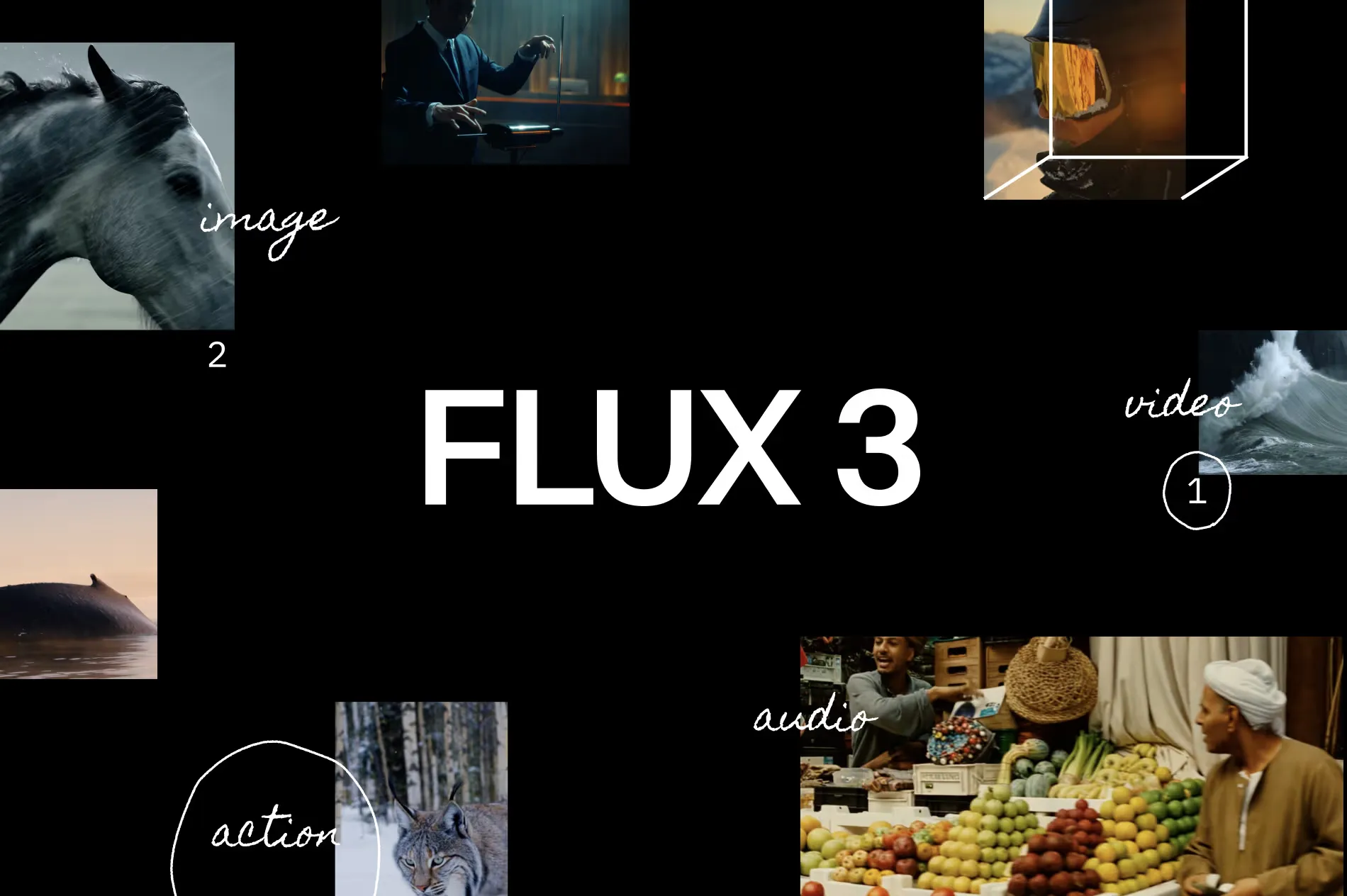
A Reviewable Spec for AI Video Drafts That Need Length and Audio ControlWhy length and audio make AI video drafts hard to reviewWhen a team starts producing AI video, the first drafts usually look promising in isolation. The trouble begins once the draft needs to be longer, or once it must carry audio that matches the visuals. Reviewers stop judging a clip on whether it looks good, and start judging whether it can be extended, timed, and corrected without a full regeneration. That shift is where most ad-hoc review processes break down.The core tension is that video generation is iterative by nature, but review artifacts are usually shared as final renders. A reviewer who only sees the final clip cannot tell which segments are stable, which are placeholders, and which will drift if the prompt is re-run. Without an explicit spec, every review round becomes a guessing game.What a review contract should captureFor drafts that will be lengthened or paired with audio, the review artifact needs to carry enough structure that a reviewer can reason about stability, not just aesthetics. At minimum, the contract should declare the segment boundaries, the prompt lineage, and the audio intent. The product page describes Flux 3 Video as a generator that turns text prompts, images, and creative references into AI video clips with native audio-ready workflows, which makes it a reasonable component for producing the segment drafts that feed this contract — but the contract itself is generator-agnostic.segments:
- id: seg-01
prompt_lineage: v3 / image-ref / audio-pending
length_target: 4s
status: stable
audio_intent: ambient-bed
- id: seg-02
prompt_lineage: v3 / text-only
length_target: 4s
status: drift-risk
audio_intent: dialogue-sync
review_policy:
regenerate_on: drift-risk
keep_on: stable
audio_gate: required-before-mergeA checklist that survives a regeneration cycleSegment IDs are stable across regenerations. A new render of seg-01 is still seg-01, so reviewers can diff against the prior version.Audio intent is declared per segment. A clip marked ambient-bed is reviewed for continuity; one marked dialogue-sync is reviewed for lip and beat match.Drift-risk segments are flagged, not hidden. Reviewers can prioritize the segments that will break first under prompt re-runs.The merge gate waits for audio. No segment is merged into the final cut until its declared audio intent is satisfied or explicitly waived.Limitations and a reasonable conclusionThis approach does not solve every problem. It assumes a single source of truth for segment metadata, which is easy in a prototype and harder across teams. It also assumes reviewers will read the contract, which is a cultural constraint as much as a technical one. What it does provide is a boundary: when a draft is lengthened or audio is added, the review stops being about whether the clip looks acceptable in isolation, and starts being about whether it can be trusted under the next change. That boundary is what keeps an iterative video pipeline from collapsing into endless re-renders.
A Reviewable Spec for AI Video Drafts That Need Length and Audio ControlWhy length and audio make AI video drafts hard to reviewWhen a team starts producing AI video, the first drafts usually look promising in isolation. The trouble begins once the draft needs to be longer, or once it must carry audio that matches the visuals. Reviewers stop judging a clip on whether it looks good, and start judging whether it can be extended, timed, and corrected without a full regeneration. That shift is where most ad-hoc review processes break down.The core tension is that video generation is iterative by nature, but review artifacts are usually shared as final renders. A reviewer who only sees the final clip cannot tell which segments are stable, which are placeholders, and which will drift if the prompt is re-run. Without an explicit spec, every review round becomes a guessing game.What a review contract should captureFor drafts that will be lengthened or paired with audio, the review artifact needs to carry enough structure that a reviewer can reason about stability, not just aesthetics. At minimum, the contract should declare the segment boundaries, the prompt lineage, and the audio intent. The product page describes Flux 3 Video as a generator that turns text prompts, images, and creative references into AI video clips with native audio-ready workflows, which makes it a reasonable component for producing the segment drafts that feed this contract — but the contract itself is generator-agnostic.segments:
- id: seg-01
prompt_lineage: v3 / image-ref / audio-pending
length_target: 4s
status: stable
audio_intent: ambient-bed
- id: seg-02
prompt_lineage: v3 / text-only
length_target: 4s
status: drift-risk
audio_intent: dialogue-sync
review_policy:
regenerate_on: drift-risk
keep_on: stable
audio_gate: required-before-mergeA checklist that survives a regeneration cycleSegment IDs are stable across regenerations. A new render of seg-01 is still seg-01, so reviewers can diff against the prior version.Audio intent is declared per segment. A clip marked ambient-bed is reviewed for continuity; one marked dialogue-sync is reviewed for lip and beat match.Drift-risk segments are flagged, not hidden. Reviewers can prioritize the segments that will break first under prompt re-runs.The merge gate waits for audio. No segment is merged into the final cut until its declared audio intent is satisfied or explicitly waived.Limitations and a reasonable conclusionThis approach does not solve every problem. It assumes a single source of truth for segment metadata, which is easy in a prototype and harder across teams. It also assumes reviewers will read the contract, which is a cultural constraint as much as a technical one. What it does provide is a boundary: when a draft is lengthened or audio is added, the review stops being about whether the clip looks acceptable in isolation, and starts being about whether it can be trusted under the next change. That boundary is what keeps an iterative video pipeline from collapsing into endless re-renders.